


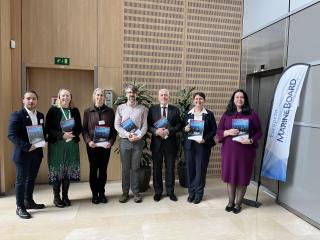
This was the launch event for the European Marine Board's Future Science Brief No. 14 on 'Biomolecular approaches for the observation and management of marine life". The event highlighted key scientific and policy recommendations for technological developments and for scaling up deployment of biomolecular approaches from research to policy. The Future Science Brief was written by the EMB Working Group on Biomolecular Approaches, consisting of 13 experts from 11 European countries. The Chair of the Working Group, Prof. Louise Allcock (Ryan Institute, University of Galway, Ireland), presented key messages from the document, focusing on the state-of-the-art methods, as well as their numerous policy-relevant applications. The event ended with an interactive discussion between the audience, the Chair of the Working Group and additional Working Group members.
Programme:
📍 Rue du Champ de Mars 21, 1050 Brussel
📅 Wednesday 18 November 2026, 12:00 - 14:30 CET
🍴 12:00 - 13:00 CET: Lunch (in-person only)
🎥 13:00 - 13:05 CET: Welcome by Fiona Grant (EMB Chair)
🎥 13:05 - 13:15 CET: Opening statements by James Morrison, DG RTD
🎥 13:15 - 13:35 CET: Presentation by Louise Allcock (Working Group Chair)
🎥 13:35 - 13:45 CET: Response to presentation by Andreea Strachinescu, DG MARE
💬 13:45 - 14:30 CET: Interactive discussion (in-person only, Moderator Sheila Heymans)
We warmly thank DG Research and Innovation (European Commission) for hosting this event and for their kind support.
Speakers:

Dr. Fiona Grant has a background in marine geology and geophysics. Based in the Marine Institute, she has previously had responsibility for European Marine Research Infrastructures and now International Programmes. She is a National Contact Point and National Delegate for Horizon Europe Cluster 6 and the national expert for the Mission to Restore Our Ocean and Waters by 2030. The International Programmes manager acts as a key point of contact for Ireland in its relationships with international research organisations and Fiona's role is to support the development of a vibrant marine research community in Ireland by encouraging participation in European Union and other international research funding programmes. Fiona has been the Marine Institutes delegate to the European Marine Board for 12 years.
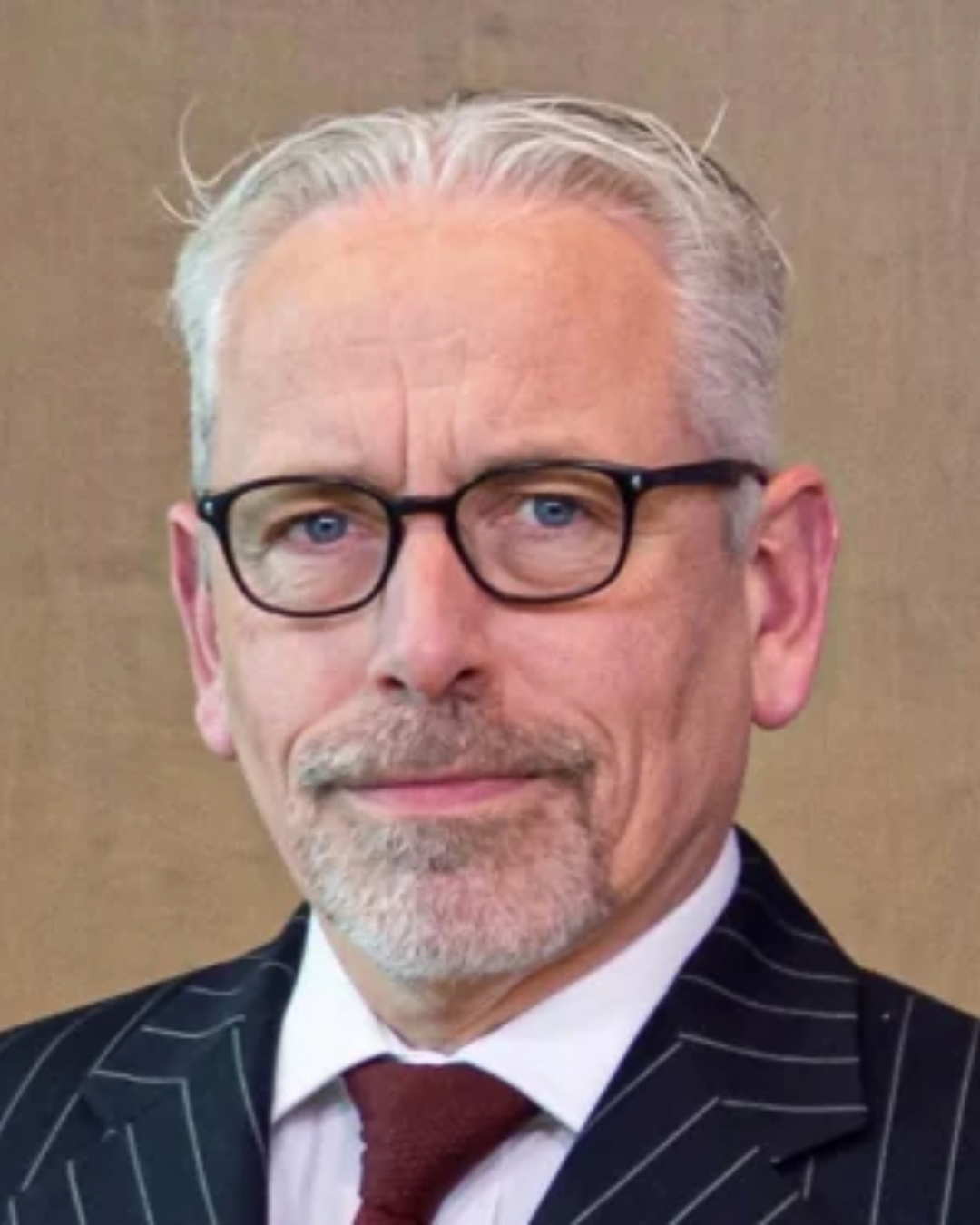
James Morrison is the Director Healthy Planet in the Directorate-General for Research and Innovation since September 2025. He co-chairs the Horizon Europe Cluster 6 “Food, Bioeconomy, Natural Resources, Agriculture and Environment”, is the chair of the €1 billion public-private partnership Circular Bio-based Europe Joint Undertaking Governing Board and holds the chairmanship of the All-Atlantic Ocean Research and Innovation Alliance, among others.Prior to that from July 2021 he was Director of the Commission’s Regulatory Scrutiny Board and before that Head of Cabinet of the Commissioner for Security Union. From November 2014, he was Policy Director in the Secretariat-General covering a portfolio including research, international trade, counter terrorism, cyber security, the digital single market, migration and development. From November 2009, James was the Chief of Staff of the first EU High Representative of the European Union for Foreign Affairs and Security Policy / Vice President of the European Commission and played a central role in the establishment of the European External Action Service. He was Head of Cabinet of the European Commissioner for Trade in 2009. Before joining the European Commission, James was a British diplomat for 20 years and is an experienced multilateral negotiator with extensive EU and diplomatic experience. He holds a Masters degree in Business Administration and was appointed Companion of the Order of St Michael and St George (CMG) in the 2015 New Year's Honours.
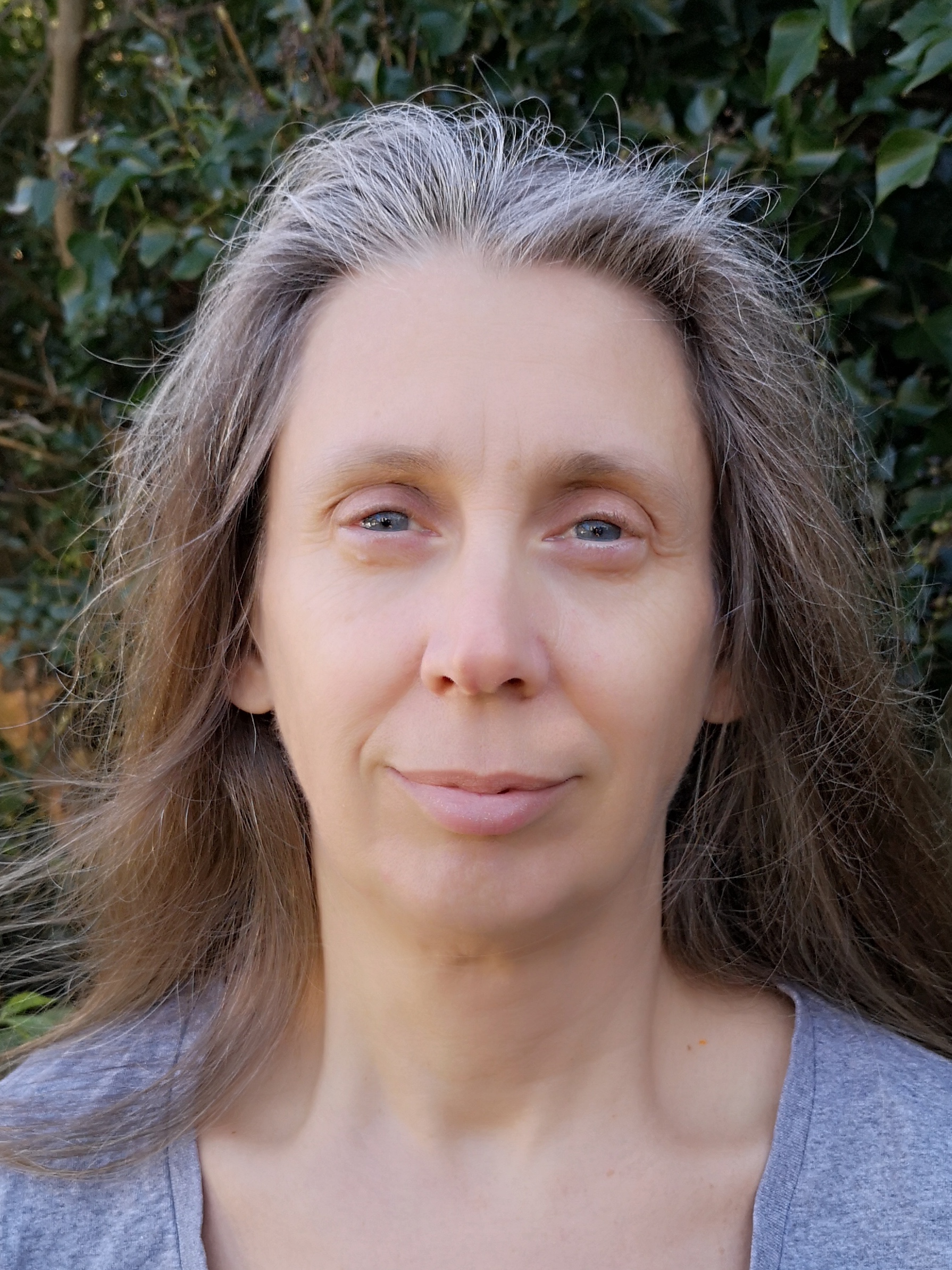 Louise Allcock is Professor of Zoology at University of Galway. Her research group employs molecular techniques to understand evolution, systematics and distributions. Her group published the first molecular evidence that the Southern Ocean is the centre of origin for deep-sea fauna worldwide, a fact that is deeply important for our understanding of global climate and the influence of the thermohaline circulation, and she continues to collaborate on the role of Antarctic climate on fauna. Her group has used molecular sequencing techniques to inform systematic revisions of major groups including sponges, cephalopods and corals. She has a strong interest in conservation. She was a member of the UN Ocean Decade Vision 2030 Working Group 2 that produced the UN White Paper “Protect and restore ecosystems and biodiversity”. She has at various times chaired or co-chaired Ireland’s MPA Advisory Group, advising the Irish Government on reaching 30 x 30. She is a partner in the 25 million MPA Life Ireland project, and has ongoing research as part of this as to how molecular methods, including indices based on eDNA, can inform assessments of GES and contribute to monitoring of marine protected areas and habitats for restoration under the Nature Restoration Regulation.
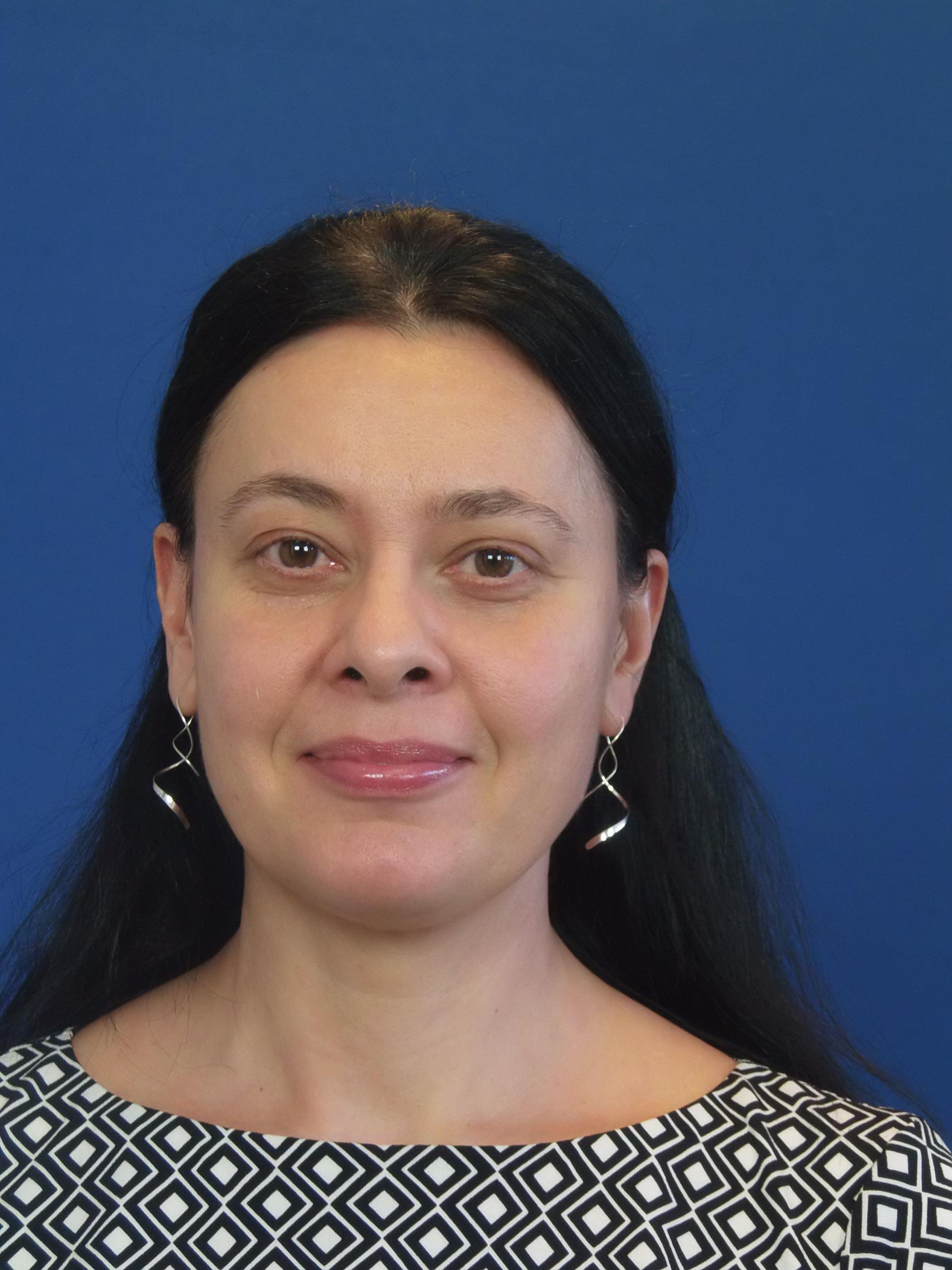
Andreea Strachinescu is Head of Unit Maritime Innovation, Marine Knowledge and Investment in the Directorate General for Maritime Affairs and Fisheries. She is responsible for developing and promoting strategic innovation of emerging marine and maritime technologies and solutions and ensuring broad dissemination of marine knowledge and research. The Unit fosters innovation and provides policy input to the EU’s research programme, Horizon Europe, and has the lead role in implementing the Mission Restore our ocean and Waters and the OceanEye. It steers the development of ocean observation and marine knowledge in the EU, with targeted support to EMODNET (European Marine Observation Data Network) and European Digital Twin of the Ocean. It aims to create a greater public understanding of the ocean resources and human influence on them through ocean literacy initiatives. It is also responsible for developing investments strategies for the blue economy through the BlueInvest business assistance platform and by mobilising private capital for clean tech in the blue economy. Prior to this position, Ms. Strachinescu was Head of Unit responsible for New Energy Technologies and Innovation in the Directorate General for Energy, European Commission, in charge with the development of policy and actions on non-nuclear energy research and innovation.