


Nearly half of the EU population lives >50 km from the sea. As a result, Europe’s coasts are both highly impacted by human pressures and can have a very large impact on society including through rising sea levels, flooding, marine heatwaves and geohazards. Additionally, Arctic and high-latitude coastal regions are undergoing particularly rapid environmental transformations due to climate change, yet their role in global climate feedback mechanisms and coastal dynamics remains insufficiently understood. Melting sea ice, permafrost thaw, and increasing storm intensities in these areas are reshaping Ocean dynamics, with cascading impacts on global climate and coastal resilience. Reducing risks and improving lives requires a better understanding of the coastal system, in particular of the interactions between the Ocean, climate, and coasts.
Digital Ocean Twins and related technologies can help us better understand coastal processes. They can predict hazardous events and their impacts by integrating interactions between biological, physical and socio-ecological processes, utilising real-time data where available.
The new EMB Working Group on 'Including coastal and arctic processes into the Digital Twin Ocean' will provide strategic guidance to policymakes, funders and practioners on the state-of the art for understanding and predicting coastal processess in Europe and integrating them into the European Digital Twin (EDITO). The Working Group will build on the recommendations of EMB’s Position Paper on Building Coastal Resilience in Europe, while expanding the scope to highlight digital innovation and operational forecasting. Additionally, by including Arctic and high-latitude coastal dynamics, the Working Group will provide insights on Arctic coastal changes and associated coastal hazards in Europe. This will inform policymakers on climate-resilient coastal management, adaptation strategies, and infrastructure planning.
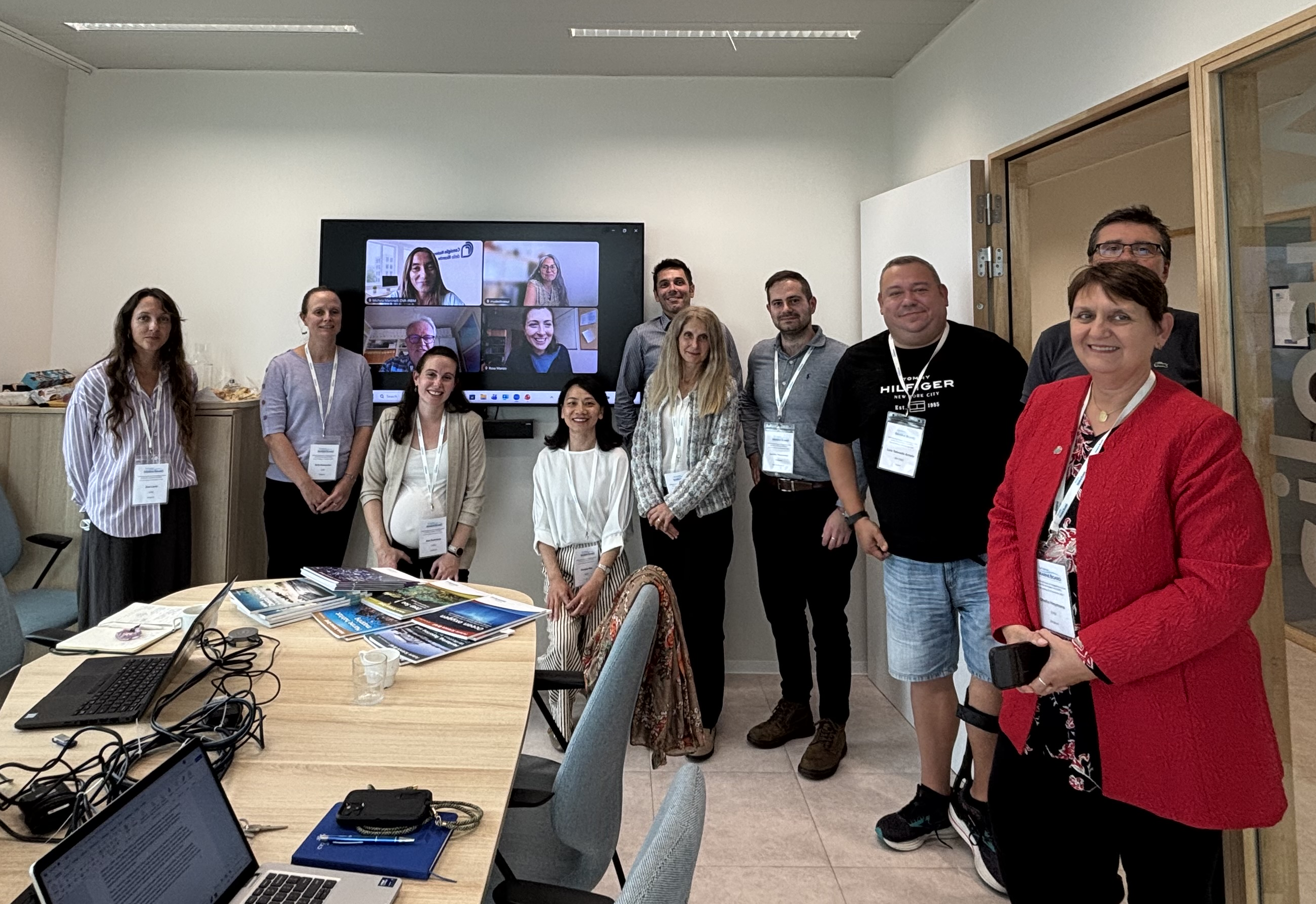
The Working Group consists of 12 experts from across Europe, linked to EMB Member organisations, and will develop a Future Science Brief, expected to be published in early 2028.
You can find out more about this Working Group and its members here.